THE FUTURE OF FARMING, WILL THE DIGITAL AGE WORK FOR THE ORDINARY KENYAN FARMER?
By Gloria Chesang
For generations, farming has depended largely on experience, patience and hard work. Farmers have relied on their knowledge of the seasons, the condition of their soil and the changing weather to decide when to plant, what to grow and when to harvest. But as technology continues to change different sectors, farming is also facing the possibility of a new direction.
Today, digital technology offers new ways of accessing agricultural information. A farmer with a smartphone and internet access can potentially find weather updates, learn about crop diseases, access farming advice and explore different markets. These developments raise an important question: what does the digital age mean for the ordinary Kenyan farmer?
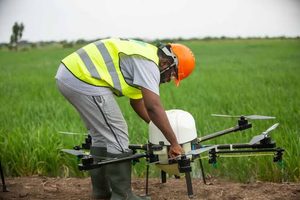
Technology could make some farming activities easier. Access to weather information, for example, may help farmers plan their planting seasons and prepare for changing weather conditions. Digital platforms could also help farmers learn about better farming practices without always having to travel long distances in search of information.
Finding markets is another area where technology could make a difference. Farmers sometimes face difficulties connecting with buyers and understanding where their produce can get a fair market. Online platforms and digital communication could create more opportunities for farmers to reach potential customers and share information about their produce.
However, the promise of digital farming comes with challenges. Not every farmer has access to a smartphone, reliable internet or the skills needed to use digital platforms. For farmers in areas with limited network coverage, accessing online agricultural information may remain difficult.
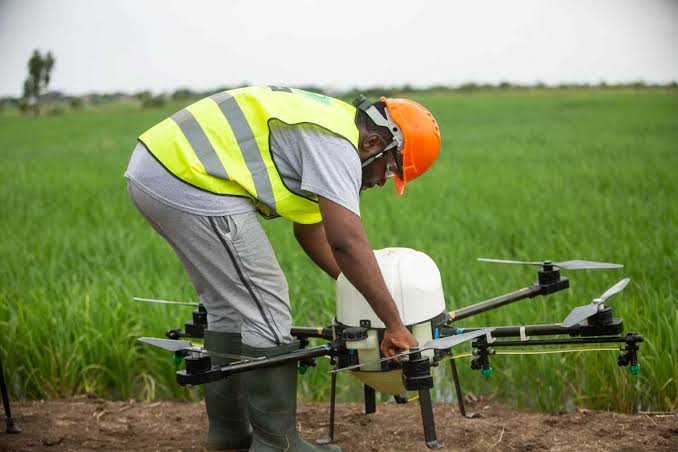
The cost of technology is another concern. Some modern farming tools may require money that small-scale farmers cannot easily afford. While larger farms may have more resources to experiment with new technologies, smaller farmers may struggle to keep up.
There is also the question of whether digital information will always be useful in practice. Knowing what the weather might be like does not automatically mean a farmer can afford irrigation when rainfall fails. Having information about better farming methods does not guarantee access to the seeds, equipment or resources needed to put that knowledge into practice.
This means the future of farming cannot depend on technology alone. Farmers still need practical support, accessible agricultural advice, affordable tools and reliable markets. Digital platforms should complement the knowledge and experience farmers have built over the years, rather than replace them.
As technology continues to develop, the agricultural sector has an opportunity to rethink how farmers access information and conduct their work. But the success of this change should not simply be measured by the number of digital tools available. It should be measured by whether farmers can actually use them to improve their livelihoods.
Ultimately, the future of digital farming raises a bigger question about inclusion. Will these changes reach the small-scale farmer working on a family piece of land, or will the benefits remain within the reach of those who can afford modern technology?
The digital age may open new possibilities for agriculture, but its real value will depend on whether ordinary farmers are part of that future.