THE WOMEN KEEPING TRADITIONAL CRAFTS ALIVE
By Gloria Chesang
In a world where modern designs and factory-made products continue to shape everyday life, traditional crafts remain an important expression of culture, creativity and identity. Behind many of these crafts are women whose skills and dedication help keep these traditions alive.
From beadwork and basket weaving to pottery and handmade ornaments, traditional crafts carry stories that connect generations. They reflect the creativity of communities and the knowledge passed down from one generation to another.
For many women, these skills are more than just hobbies. They are a way of expressing themselves, maintaining cultural practices and creating products that people can appreciate and use.
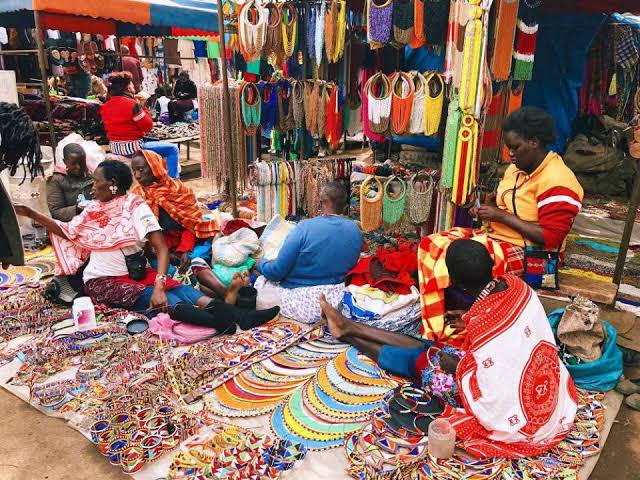
Beadwork, for instance, is one of the familiar forms of traditional craftsmanship in Kenya. Through different colours, patterns and designs, women create ornaments that carry cultural meaning while also appealing to modern tastes. Necklaces, bracelets and other handmade accessories have become ways of combining traditional creativity with contemporary fashion.

Basket weaving is another craft that demonstrates patience and skill. Using locally available materials, women transform simple natural resources into beautiful and useful products. The process requires attention to detail, creativity and an understanding of techniques that are often learned through experience.
Pottery and other handmade crafts also reflect the relationship between people, their environment and their cultural practices. Each finished piece represents time, effort and an artistic process that cannot always be replicated by mass-produced items.
Beyond preserving culture, traditional crafts can provide women with opportunities to earn an income. Handmade products can be sold to customers looking for unique accessories, decorations and household items. For some women, this creates an opportunity to turn their skills into small businesses.
However, keeping traditional crafts alive is not without challenges. Competition from factory-made products, changing consumer preferences and limited access to wider markets can make it difficult for craft makers to sustain their work.
There is also the challenge of passing these skills on to younger generations. As lifestyles change, some traditional practices risk receiving less attention from young people who may be drawn towards other interests and career opportunities.
Despite these challenges, women who continue practising and teaching traditional crafts play an important role in keeping cultural knowledge alive. Their work reminds communities that heritage is not only found in museums or history books but also in the everyday skills and creativity of ordinary people.
Appreciating traditional crafts means recognising the people behind them. It means valuing the time, knowledge and effort involved in creating something by hand.
Ultimately, these women are doing more than making beautiful products. They are preserving stories, celebrating identity and ensuring that traditions continue to have a place in a changing world.