
BEYOND CHILDBIRTH,THE REALITY OF POSTPARTUM
By Gloria Chesang
The arrival of a baby is often celebrated with excitement, congratulations and beautiful photographs. Family and friends gather to welcome the newborn, while the mother is expected to embrace her new role. However, beyond the celebrations lies a part of motherhood that does not always receive enough attention: the experience of postpartum recovery.
Postpartum refers to the period following childbirth, when a woman’s body and mind begin adjusting to the changes that come with having a baby. Although attention often shifts to the newborn, the mother is also going through a major transition that requires care, patience and support.
Physically, childbirth can leave a woman dealing with pain, bleeding, tiredness and changes in her body. Mothers who undergo Caesarean sections also have surgical wounds that require time and proper care to heal. Breastfeeding can bring additional challenges, including breast discomfort and difficulties with feeding.
Recovery does not happen overnight. While some women may regain their strength relatively quickly, others need more time. Each birth experience is different, and mothers should not feel pressured to recover according to someone else’s timeline.
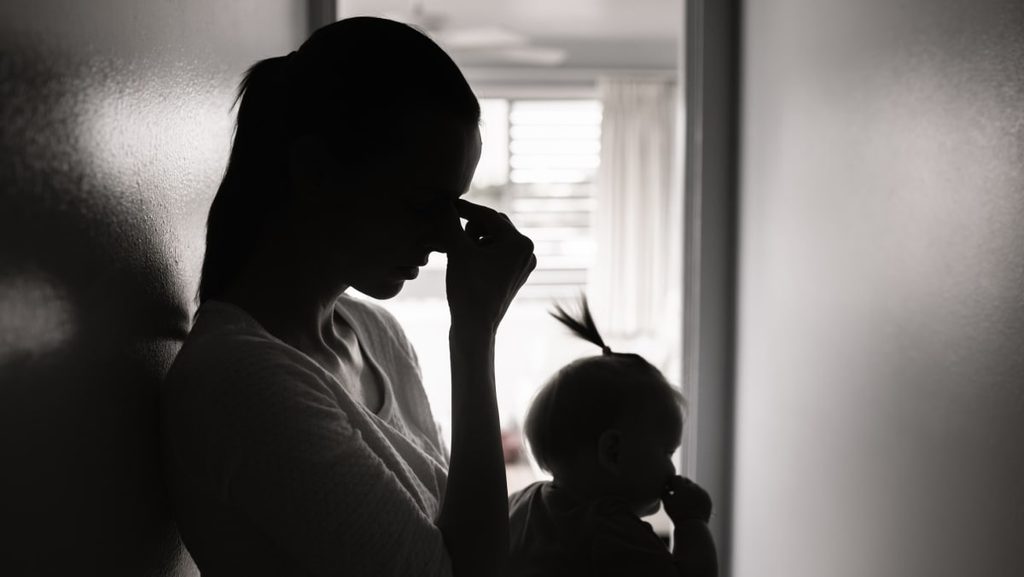
Beyond the physical changes, the emotional experience can be equally demanding. Adjusting to a new routine, interrupted sleep and the responsibility of caring for a newborn can leave a mother feeling overwhelmed.
Some women experience what is commonly known as the baby blues, which may involve crying, mood changes, anxiety and sadness during the first days after childbirth. These feelings usually improve within two weeks. However, when sadness, hopelessness or anxiety becomes intense or continues, it may be a sign of postpartum depression, a condition that requires professional attention.
The experience can become more difficult when mothers feel they must handle everything on their own. Society often celebrates motherhood while paying less attention to the challenges women face after delivery. Some mothers may feel pressure to appear happy, maintain their usual routines and quickly return to their previous appearance.
This expectation can make it harder for women to openly discuss their struggles. Instead of asking for help, some may feel guilty about being exhausted or finding motherhood difficult.
Support therefore becomes an important part of postpartum recovery. Partners, relatives and friends can help by sharing household responsibilities, assisting with the baby and giving mothers time to rest. Listening without judgment can also make a difference, especially when a woman is struggling emotionally.
According to the World Health Organization, postnatal care should address both the physical and mental wellbeing of mothers. Its recommendations include follow-up care within the first 24 hours after birth, followed by additional contacts between 48 and 72 hours, seven and 14 days, and during the sixth week.
These recommendations highlight an important point: care should not end when a woman leaves the maternity ward. She continues to need attention as her body heals and she adjusts to life with her newborn.
Ultimately, postpartum is a reminder that mothers need care just as much as their babies do. The birth of a child marks the beginning of a new chapter, but it also begins a recovery journey that deserves understanding and support.
Behind every newborn is a mother who has gone through significant physical and emotional changes. Celebrating a new life should also mean remembering the woman who brought that life into the world.