UNDERSTANDING ENDOMETRIOSIS
By Gloria Chesang
For many women, menstrual pain is considered a normal part of growing up. From painful cramps to uncomfortable days during menstruation, some women have learned to endure the pain without questioning it. However, when menstrual pain becomes severe and begins interfering with everyday activities, it may be more than an ordinary period.
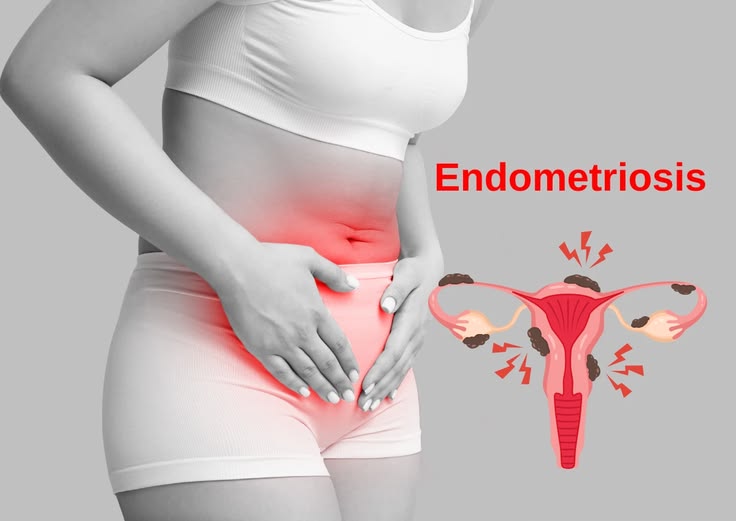
Endometriosis is a medical condition that affects women of reproductive age. It occurs when tissue similar to the lining of the uterus grows outside the uterus, commonly around the ovaries, fallopian tubes and other areas within the pelvis. This can cause inflammation, severe pain and, in some cases, difficulties becoming pregnant.
According to the World Health Organization (WHO), endometriosis affects approximately one in ten women and girls of reproductive age worldwide. Despite its impact, the condition often remains undiagnosed for years.
One of the common symptoms is severe menstrual pain that may interfere with school, work and other daily activities. Other symptoms include chronic pelvic pain, pain during sexual intercourse, heavy menstrual bleeding, fatigue and digestive problems.
For some women, the condition affects their ability to conceive, adding emotional pressure to an already difficult experience.
One of the major challenges surrounding endometriosis is the belief that severe period pain is something women should simply tolerate. This can cause some patients to delay seeking medical attention. Lack of awareness and limited access to specialised healthcare services can also contribute to delayed diagnosis.
Although there is currently no known cure for endometriosis, treatment can help manage symptoms. Depending on the severity of the condition, doctors may recommend pain medication, hormonal treatment or surgery.
Raising awareness is therefore important. Women experiencing persistent or unusually severe menstrual pain should seek medical advice rather than assuming it is normal.
Endometriosis is more than just painful periods. It is a health condition that can affect physical, emotional and reproductive well-being. Breaking the silence around it begins with listening to women’s experiences, taking their pain seriously and encouraging access to proper medical care.